Duqm is changing how Gulf bulk cargo reaches Africa and Asia
Deep water, open-ocean access and new storage are making Duqm the natural loading port for cargoes bound for East Africa and South Asia.
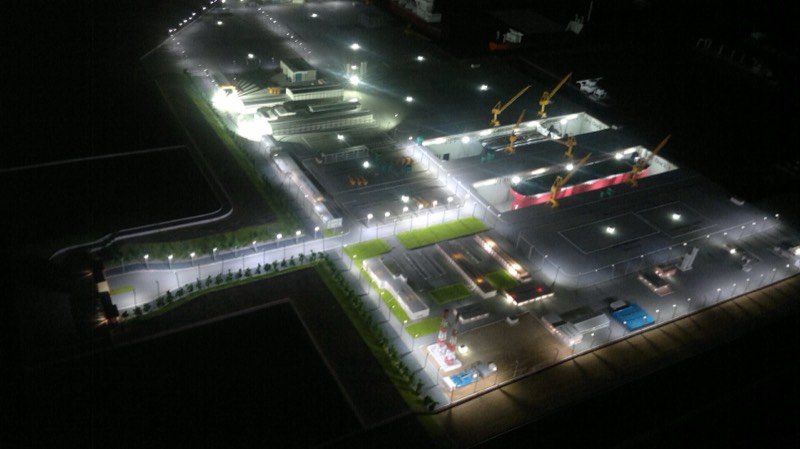
Ten years ago Duqm was a fishing town with a master plan. Today its dry dock repairs very large crude carriers, and its bulk and general cargo terminal handles cargoes that would once have gone through Sohar or Jebel Ali by default.
The advantage is geographic. Duqm faces the Arabian Sea directly. A supramax bound for Mombasa from Duqm saves close to two days of sailing compared with a loading port inside the Strait of Hormuz, before any allowance for congestion or war-risk premiums.
Storage is the second factor. New open and covered storage areas allow cargo to be built up ahead of vessel arrival, which shortens laytime and makes it practical to combine cargo from more than one producer.
We now route a growing share of our clinker and bitumen through Duqm, and our logistics desk books storage there for customers who need blending or bagging before shipment.
More insights
All insights-
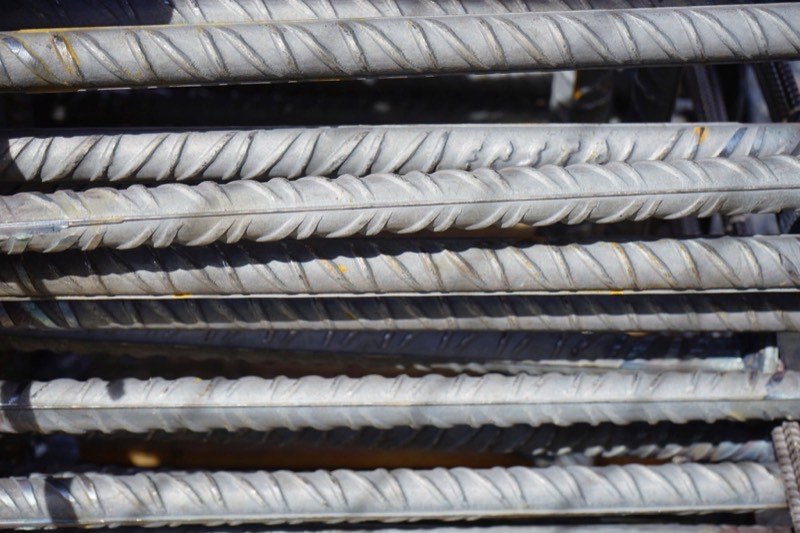
East Africa's rebar demand: what the Q4 tender book tells us
Infrastructure tenders in Kenya and Tanzania are the heaviest in three years, and they are drawing Gulf rebar east earlier than usual.
Read more -
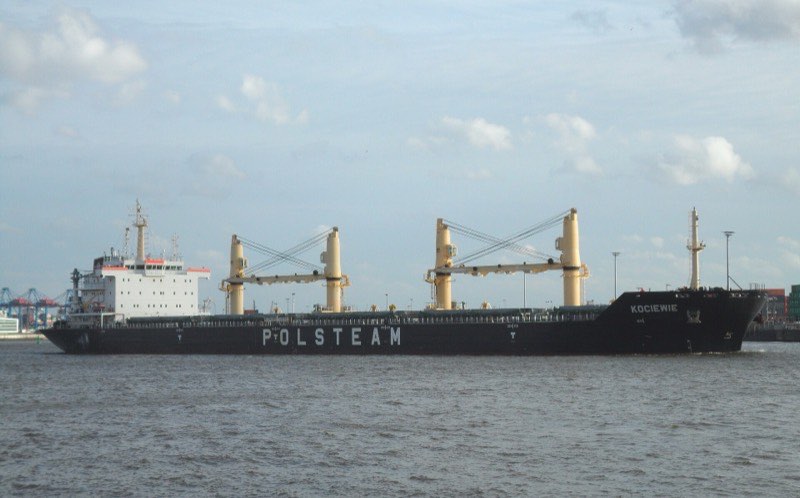
Urea into 2027: gas, Indian tenders and freight
Three variables will set urea prices into next year: feedstock gas, the timing of Indian import tenders and handysize freight from the Arabian Sea.
Read more