Urea into 2027: gas, Indian tenders and freight
Three variables will set urea prices into next year: feedstock gas, the timing of Indian import tenders and handysize freight from the Arabian Sea.
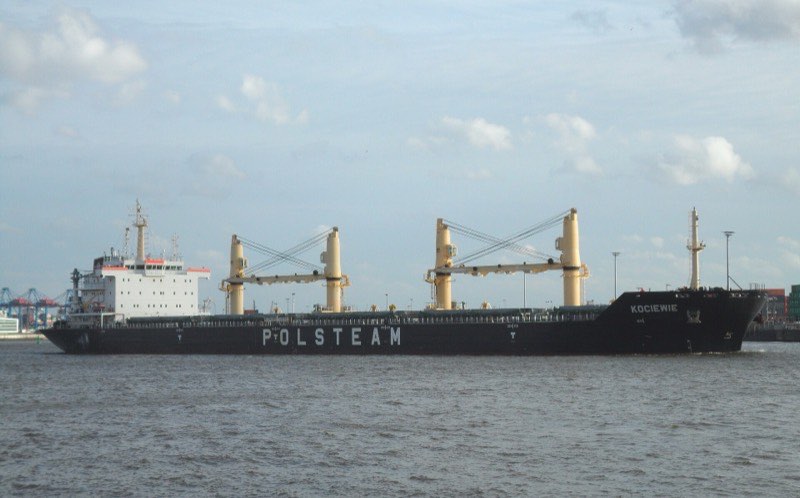
Three variables will set urea prices into 2027: the cost of feedstock gas in the Gulf, the timing and size of India's import tenders, and handysize freight out of the Arabian Sea.
Gulf producers remain the swing suppliers to East Africa and to India's west coast. When an Indian tender falls in the same window as African seasonal demand, FOB prices react first and freight usually follows within two weeks.
Gas supply to Gulf plants is stable under long-term contracts, so production costs are unlikely to drive prices on their own. The larger risk is timing: if two or three Indian tenders are concentrated in the first quarter, available tonnage for other markets will tighten quickly.
Our fertilizer desk expects prilled and granular urea from the Gulf to trade within its current range through the first quarter, with upside risk if Indian tender volumes repeat this year's pattern. Buyers with storage should consider covering first-quarter requirements early.
More insights
All insights-
East Africa's rebar demand: what the Q4 tender book tells us
Infrastructure tenders in Kenya and Tanzania are the heaviest in three years, and they are drawing Gulf rebar east earlier than usual.
Read more -
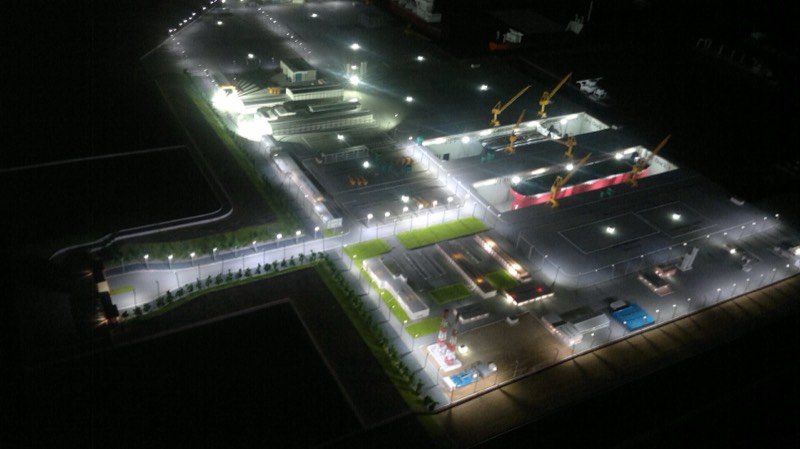
Duqm is changing how Gulf bulk cargo reaches Africa and Asia
Deep water, open-ocean access and new storage are making Duqm the natural loading port for cargoes bound for East Africa and South Asia.
Read more